

CO2 vs Cold Fiber Laser: Why Top Practices Are Switching
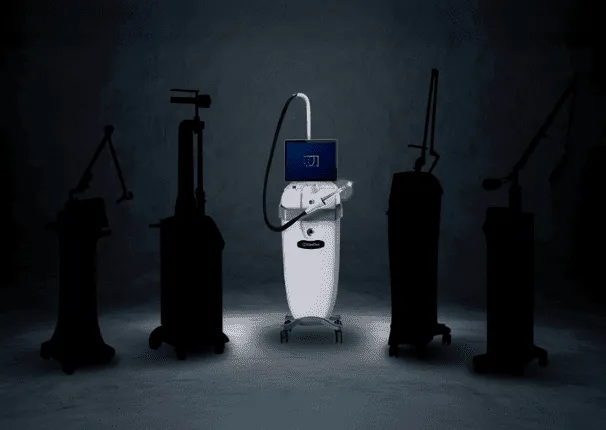
For decades, CO2 laser resurfacing has been considered the gold standard for skin rejuvenation. But today, more aesthetic practices are switching to newer technologies like the UltraClear® 2910 nm cold fiber laser to deliver comparable resurfacing results with less downtime and a better patient experience.
In this article, we’ll explore:
- CO2 laser pros and cons
- How UltraClear works, and what makes it different from CO2
- Why UltraClear has become the laser of choice for top practices
CO2 Laser Resurfacing: Benefits and Drawbacks
Visit any aesthetic dermatologist or plastic surgeon’s office and you’ll probably find a CO2 laser. Over the years, they’ve earned a reputation for delivering dramatic improvements in wrinkles, texture, sun damage, and overall skin rejuvenation.
How CO2 Lasers Work
CO2 lasers are ablative lasers that use a 10,600 nm wavelength to vaporize damaged skin tissue and stimulate collagen remodeling beneath the surface.
The controlled thermal injury that occurs to the skin has made it an effective treatment for a number of aesthetic concerns, including:
- Fine lines and wrinkles
- Acne scars
- Sun damage
- Skin laxity
- Uneven texture and tone
CO2 resurfacing is often used as a more aggressive rejuvenation to produce noticeable improvements, especially in skin concerns like deeper wrinkles and advanced photoaging that aren’t treated as effectively with non-ablative technologies.
Benefits of CO2 Lasers
Some of the benefits of using CO2 technology to treat aging skin include:
- Significant collagen stimulation
- Dramatic resurfacing capabilities
- Long, proven history of clinical use
- Effective correction for advanced aging concerns
For the right patient, CO2 treatments can provide transformative results.
Drawbacks of CO2 Lasers
Even with their dramatic results, there are also disadvantages of CO2 lasers, especially when it comes to the patient experience and recovery. CO2 treatments are aggressive. Because they remove the top layer of skin while also heating the skin’s deeper layers, recovery can be long and painful.
Some of the drawbacks of CO2 laser resurfacing include:
- Extended downtime (often up to 21 days)
- Redness and swelling
- Increased discomfort during recovery
- Higher risk of post-inflammatory hyperpigmentation
- Longer healing timelines (often months for full collagen remodeling)
These drawbacks can create significant hesitations for today’s patients who want effective noticeable results but can’t justify stepping away from work, social activities, or daily routines for the lengthy healing process.
What is the UltraClear 2910 nm Cold Fiber Laser?
UltraClear is a 2910 nm cold fiber laser designed to deliver skin resurfacing with less thermal impact than traditional CO2 lasers. A new standard in skin resurfacing, UltraClear is first-of-its-kind technology that dramatically improves the patient experience.
As mentioned above, CO2 lasers create significant thermal injury within the skin, which is the main reason behind the extended healing times. Instead of relying on this aggressive heat, UltraClear uses proprietary 3D IntelliPulse™ Blended Pulse Technology, which uses adjustable micro-pulses to deliver ablative resurfacing and healing in a single treatment.
Compared to CO2 lasers, UltraClear delivers 95% less heat, so 95% of energy goes to ablation with just 5% thermal impact on surrounding tissues.
The result is a treatment experience that feels more aligned with what today’s patients want: effective rejuvenation with less downtime and a more comfortable recovery.
UltraClear vs CO2: Key Differences
Both UltraClear and CO2 lasers ablate the skin. Both create controlled injuries to the skin to stimulate collagen production.* Both provide visible and often dramatic differences. The key differences lie in the technology and capabilities used to achieve these results, including:
Fiber Laser Innovation
As a fiber-based platform, UltraClear introduces a modern approach to energy delivery that differs from traditional CO2 systems, helping create a more controlled and refined treatment experience.
Why it matters:
Patients can experience the results that CO2 provides without the extended pain and downtime.
Cold Ablative Technology
UltraClear’s cold ablative approach is designed to limit excess heat in the skin while still delivering powerful resurfacing capabilities. The 2910 wavelength avoids the deep, intense heat that the CO2 delivers.
Why it matters:
Cold ablative technology’s 2910 nm range allows providers to treat skin of color without bulk heating and the resulting thermal injury that causes post-inflammatory hyperpigmentation (PIH).
Small Spot Size
UltraClear uses 3DIntelliPulse™, a proprietary novel pulse technology. It is highly precise, utilizing a smaller spot size and allowing providers to control depth, energy intensity, and coverage area.
Why it matters:
This precision enables confident treatment of delicate areas that are often challenging to treat with traditional CO2 lasers, such as the periorbital area.
Why Top Practices Are Switching from CO2 Lasers to UltraClear
For years (even decades), CO2 lasers have been the go-to resurfacing technology. But as patient expectations evolve, more top practices are moving towards advanced resurfacing platforms like UltraClear® to deliver a better treatment experience without compromising results.
Some of the top reasons practices make the move to 2910nm cold fiber lasers include:
Less downtime and a better patient experience
One of the biggest reasons practices are moving toward UltraClear is patient demand for treatments with less recovery time.
Today’s patients often want visible, meaningful results without the redness, swelling, and social downtime commonly associated with traditional CO2 resurfacing. UltraClear helps practices offer treatments that better align with those expectations.
For providers, that often translates into:
- Higher patient satisfaction
- Increased treatment acceptance
- More repeat business
When patients feel more comfortable moving forward with treatment, practices are better able to convert consultations into bookings.
Comparable efficacy
There’s no question that CO2 delivers results. But it also delivers hesitation about recovery, downtime, and pain. UltraClear offers comparable efficacy without the associated downtime, delivering the visible results patients demand but in a gentler, more refined way.
See UltraClear Before and After photos
Because UltraClear provides such effective rejuvenation with less pain and downtime, patients no longer feel the need to choose between results and recovery experience. For many practices, that combination is becoming a competitive advantage.
Clinically proven results from an FDA-cleared device
When adopting new technology, providers want more than innovation alone; they want confidence in the science behind it. Practices who opt for UltraClear aren’t just blindly putting their trust in an unknown device or experimental technology. UltraClear is FDA-cleared for numerous indications, with over 10 published clinical reports. See the science.
UltraClear is cleared for:
- Fine lines
- Wrinkles
- Age spots
- Scar revision
- Acne scars
- Actinic cheilitis
- Skin resurfacing
- Benign pigmented lesions
- Vascular dyschromia
What does this mean for practices? You can feel confident offering a modern resurfacing solution backed by real clinical validation, not just marketing claims.
Expanded treatment opportunities
Another reason providers are switching to UltraClear is its ability to support highly customizable treatments across a wide range of patient needs, skin concerns, and age groups.
With adjustable treatment settings and multiple resurfacing capabilities, providers can tailor treatments based on individual goals, lifestyle preferences, and recovery expectations. This versatility helps practices expand their treatment opportunities, from younger patients seeking prejuvenation and healthy skin maintenance to older patients who want more advanced resurfacing correction and younger-looking skin.
Practices are also able to branch out to treat skin types that CO2 lasers can’t, allowing them to broaden their patient base and safely treat darker skin types.
Bottom Line: UltraClear® Sets a New Standard In Skin Resurfacing
CO2 lasers helped define what’s possible in modern resurfacing, and they still play an important role in aesthetic medicine. But as patient expectations evolve, many practices are exploring technologies that deliver powerful rejuvenation with a more refined and advanced treatment experience.
UltraClear represents that next generation of resurfacing innovation. With its 2910 nm cold fiber laser technology, precision-driven approach, and focus on minimizing thermal burden, UltraClear is helping practices all over the world deliver compelling results while improving comfort, recovery, and overall patient satisfaction.
For providers looking to elevate the patient experience without compromising efficacy, it’s clear to see why more top practices are making the switch.